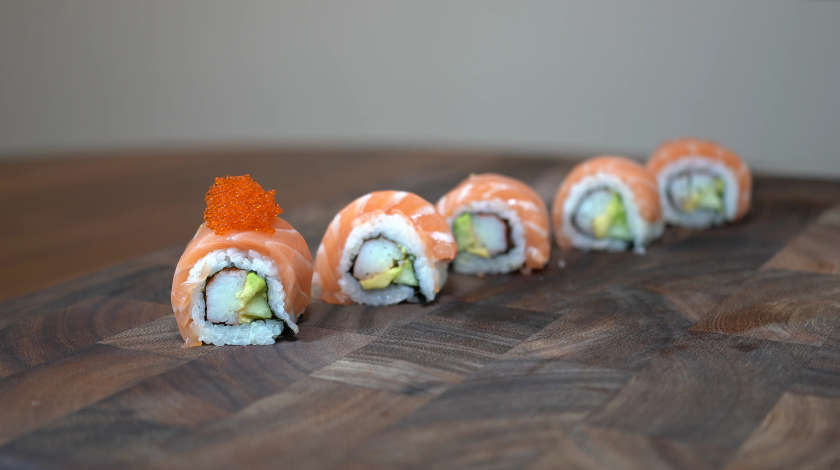

If you have ever walked into a sushi restaurant and felt overwhelmed by the endless pages of the menu, you are not alone. I remember my first time sitting at a sushi bar. I was nervous about eating raw fish, and the chef recommended something that sounded familiar yet exciting. That recommendation was the Alaska roll. It is often overshadowed by its more famous cousin, the California roll, but in my opinion, the Alaska roll is the true champion of Western-style sushi. It strikes the perfect balance between creamy, crunchy, and fresh. Whether you are a sushi veteran or a complete beginner, understanding this roll will deepen your appreciation for Japanese-fusion cuisine.
In this guide, I am going to walk you through everything you need to know about the Alaska roll. We will cover what goes into it, how it tastes, whether it is healthy, and I will even teach you how to make it in your own kitchen. I have spent years perfecting my homemade sushi rice, so I will share some personal tips along the way that usually take people years to figure out on their own.
What Exactly is an Alaska Roll?
The Alaska roll is a type of uramaki, which is a Japanese term for an “inside-out” roll. In traditional Japanese maki, the black seaweed, known as nori, is on the outside holding everything together. However, in Western-style sushi like the Alaska roll, the rice is on the outside, and the nori wraps the ingredients on the inside. This was originally done because many Western diners in the 1970s and 80s were put off by the texture of seaweed. By hiding it inside, the roll became much more approachable.
The defining characteristic of an Alaska roll is its star ingredient: salmon. The name “Alaska” pays homage to the abundance of high-quality salmon found in Alaskan waters. A standard Alaska roll consists of fresh salmon, avocado, and usually cucumber. Some variations also include imitation crab meat inside, with the salmon draped over the top of the roll. The combination of the fatty salmon and the creamy avocado creates a texture that melts in your mouth, while the cucumber provides a necessary crunch to break up the richness.
It is interesting to note that there is no strict “law” on how an Alaska roll looks. In some restaurants, the salmon is rolled inside with the avocado. In others, which I personally prefer, the avocado and cucumber are inside, and thin slices of vibrant orange salmon are layered on top of the rice. This version is visually stunning and hits your tongue with the fish flavor immediately.
The Great Debate: Is the Salmon Raw or Cooked?
This is the most common question I hear from friends who are hesitant about trying sushi. The answer is that it depends on the restaurant, but traditionally, an Alaska roll uses raw, fresh salmon. The use of raw salmon gives the roll a buttery, soft texture that you just cannot get from cooked fish. When the fish is fresh and prepared correctly, it does not smell “fishy” at all. It smells like the ocean and tastes slightly sweet.
However, there is a popular variation that uses smoked salmon. If you see “Smoked Salmon Alaska Roll” on a menu, the fish has been cured and smoked. This changes the flavor profile completely. Smoked salmon is saltier and has a strong, wood-fired aroma that pairs incredibly well with the cream cheese that is sometimes added to this version. If you are pregnant or immunocompromised, or if you simply cannot stomach the idea of raw fish, the smoked salmon version is a fantastic and safe alternative.
If you are planning to make this at home using raw fish, you must look for “sushi-grade” fish. I cannot stress this enough. You cannot simply buy a fillet of salmon from a standard grocery store shelf and eat it raw. Sushi-grade implies that the fish has been frozen at extremely low temperatures to kill any parasites. Always ask your fishmonger specifically if the fish is safe for raw consumption.
Alaska Roll vs. California Roll: What is the Difference?
To understand the Alaska roll, it helps to look at the California roll. The California roll is arguably the most famous sushi roll in America. It contains imitation crab (surimi), avocado, and cucumber. It is completely cooked, which is why it is the go-to entry point for many people. The Alaska roll is essentially the next step up on the sushi ladder.
The main difference lies in the protein. While the California roll relies on the sweet, processed flavor of imitation crab, the Alaska roll introduces you to real fish. I like to think of the Alaska roll as the “grown-up” version of the California roll. They share the avocado and cucumber DNA, which provides that familiar creamy and crunchy backdrop, but the salmon adds a layer of sophistication and richness that imitation crab lacks.
Another similar roll is the Philadelphia roll. The Philly roll also uses salmon (usually smoked) and avocado, but its defining ingredient is cream cheese. The Alaska roll usually skips the cream cheese in favor of a cleaner, lighter taste, though you will find many fusion spots that mix and match these ingredients. If you want something light and fresh, go for the Alaska. If you want something heavier and richer, go for the Philly.
A Step-by-Step Guide on How to Make an Alaska Roll
Making sushi at home is one of the most rewarding culinary projects you can undertake. It is much cheaper than dining out, and you get to control the quality of the ingredients. I remember the first time I tried rolling sushi; my kitchen was a mess of sticky rice, but the result was delicious. Here is how you can do it properly.
Preparing the Perfect Sushi Rice
The rice is the soul of the sushi. You cannot use long-grain rice or Jasmine rice; you need short-grain Japanese sushi rice. This rice has a high starch content which makes it sticky enough to hold the roll together.
First, wash your rice. Put the rice in a bowl and rinse it with cold water, swirling it with your hand. The water will turn milky white. Drain and repeat this process three or four times until the water runs mostly clear. This removes excess starch and prevents the rice from becoming a gummy paste. Cook the rice according to the package instructions, or use a rice cooker if you have one.
While the rice is cooking, prepare your “sushi su,” which is the seasoning. Mix rice vinegar, sugar, and a pinch of salt in a small saucepan and heat it gently until the sugar dissolves. Once the rice is cooked, transfer it to a large, wide bowl. Pour the seasoning over the hot rice and gently fold it in using a wooden paddle. Do not mash the rice. You want to coat every grain. Let it cool to body temperature before using.
Selecting and Cutting the Ingredients
While your rice cools, prepare your fillings. Slice a ripe avocado in half, remove the pit, and slice the flesh into thin strips. For the cucumber, I recommend using English cucumbers or Persian cucumbers because they have fewer seeds and thinner skin. Cut them into matchstick-sized strips. If you are using a chunk of salmon for the inside, cut it into strips similar to the avocado. If you are draping the salmon on top, you will need a very sharp knife to cut thin, rectangular slices against the grain of the fish.
Rolling Techniques
You will need a bamboo sushi mat (makisu). Wrap the mat in plastic wrap to keep the rice from sticking to the bamboo. This is a pro tip that saves a lot of cleanup time.
- Take a sheet of nori and cut it in half. You only need half a sheet for an inside-out roll.
- Place the nori on the mat, shiny side down.
- Wet your hands with water to prevent sticking. Grab a handful of sushi rice and spread it gently over the nori. It should be a thin layer, not a thick brick of rice. You can sprinkle sesame seeds on the rice at this stage.
- Flip the nori over so the rice is facing the plastic-wrapped mat and the bare nori is facing you.
- Place your avocado, cucumber, and salmon strips horizontally across the middle of the nori.
- Lift the edge of the mat closest to you and fold it over the filling. Tuck the filling in tightly with your fingers as you roll. Continue rolling until the cylinder is formed.
- Give the mat a gentle squeeze to shape the roll.
- If you are putting salmon on top, lay the thin slices over the roll now, cover with the plastic wrap again, and use the mat to press the fish onto the rice.
To cut the roll, use a very sharp knife. Dip the tip of the knife in water so it glides through the sticky rice. Cut the roll into eight even pieces.
Nutritional Breakdown and Health Benefits
One of the reasons I eat sushi so often is that it leaves you feeling full but not heavy. The Alaska roll is a powerhouse of nutrition. The primary health benefit comes from the salmon. Salmon is rich in Omega-3 fatty acids, which are essential for heart health and brain function. These are “good fats” that help lower cholesterol.
Avocado adds to this profile by providing monounsaturated fats, fiber, and potassium. The seaweed (nori) is packed with iodine, which is vital for thyroid health. Compared to rolls that are deep-fried or covered in heavy mayonnaise sauces, the Alaska roll is a relatively clean option.
However, you should be mindful of the rice. Sushi rice is seasoned with sugar, and white rice is a simple carbohydrate. A typical Alaska roll cut into 8 pieces contains anywhere from 300 to 400 calories, depending on the size of the roll and the amount of avocado used. If you are watching your carb intake, some restaurants offer “Naruto style” rolls, where they wrap the fish in cucumber slices instead of rice.
Best Toppings and Sauces to Elevate the Flavor
While the Alaska roll is delicious on its own with just a dip of soy sauce and a touch of wasabi, you can dress it up to suit your mood.
My absolute favorite addition is a little dab of spicy mayo. You can make this at home by mixing high-quality mayonnaise (like Kewpie mayo) with Sriracha or chili garlic sauce. The heat of the chili cuts through the fattiness of the salmon and avocado perfectly.
If you prefer something sweeter, Eel Sauce (unagi tare) is a thick, soy-based glaze that adds a savory sweetness. It is often drizzled over cooked rolls, but it works surprisingly well with fresh salmon too.
For texture, try sprinkling tempura flakes or “tenkasu” on top. This gives you that satisfying crunch that you usually only get from fried rolls, without the extra grease of frying the whole thing. Scallions (green onions) are another great garnish that adds a fresh, oniony bite which complements the fish.
Conclusion
The Alaska roll represents everything that is great about modern sushi. It respects the tradition of Japanese fish preparation while adapting to the tastes and textures that Western palates enjoy. It brings together the buttery richness of fresh salmon, the smooth creaminess of avocado, and the crisp bite of cucumber in a package that is beautiful to look at and even better to eat.
Whether you order it at a restaurant or take the plunge and try making it in your own kitchen, the Alaska roll is a culinary experience that is hard to beat. It serves as a perfect bridge for those transitioning from cooked rolls to raw fish, and remains a staple favorite for seasoned sushi lovers. So next time you are craving sushi, do not overlook this gem. Grab your chopsticks, dip a piece in soy sauce, and enjoy the fresh, vibrant flavors of the Alaska roll.
FAQs
1. Is the salmon in an Alaska roll raw?
Generally, yes. Most authentic Alaska rolls use fresh, raw salmon. However, some restaurants might use smoked salmon, especially if the menu description mentions a smoky flavor or if it is paired with cream cheese. Always ask the server if you are unsure.
2. Is an Alaska roll healthy?
Yes, it is considered a healthy sushi option. It contains heart-healthy Omega-3 fatty acids from the salmon and good fats from the avocado. It is lower in calories than tempura-fried rolls or rolls covered in heavy sauces.
3. Can I eat an Alaska roll while pregnant?
If the roll contains raw salmon, it is generally advised that pregnant women avoid it due to the risk of bacteria or parasites. However, if the roll is made with cooked or hot-smoked salmon, it is safe to eat. Always consult your doctor regarding your specific dietary restrictions.
4. What is the difference between an Alaska roll and a Philadelphia roll?
Both rolls typically contain salmon and avocado. The main difference is that the Philadelphia roll includes cream cheese, giving it a heavier, tangier flavor. The Alaska roll usually relies on the natural creaminess of the avocado and does not include cheese.
5. How long does a homemade Alaska roll last?
Sushi is best eaten immediately. Because it contains raw fish and avocado (which browns quickly), you should consume it within 24 hours. If you must store it, keep it in an airtight container in the refrigerator, but be aware that the rice will harden and the texture will degrade.