Viddyad Review 2024: The Ultimate Tool for Creating Video Ads?

viddyad

If you have spent any time scrolling through Facebook, Instagram, or TikTok lately, you have probably noticed a massive shift in how businesses talk to us. It is no longer just about static images or catchy text headlines. Video is the king of content right now. I remember a few years ago when I first tried to market a small side hustle online. I looked at the cost of hiring a video production agency and almost fell out of my chair. It was thousands of dollars for a thirty-second clip. For a small business owner or a freelancer, that kind of budget simply does not exist. This is where tools like Viddyad come into the picture. They promise to bridge the gap between expensive professional software and the need for high-quality video ads. But does it actually work? In this guide, I am going to walk you through everything you need to know about Viddyad based on real experience, not just reading off a spec sheet.

What Is Viddyad and Why Should You Care?

Viddyad is a cloud-based video creation platform specifically designed for creating video advertisements. When I say cloud-based, I mean that you do not have to download any heavy software that slows down your computer. You do everything right inside your web browser. The main goal of this platform is to help small businesses, digital marketers, and social media managers create professional-looking commercials without needing a degree in film editing. If you have ever tried to use professional software like Adobe Premiere or Final Cut Pro, you know the learning curve is incredibly steep. You have to understand timelines, rendering, color grading, and audio mixing. Viddyad strips all of that complexity away. It operates on a simple premise which is that you should be able to create a TV-quality commercial in minutes, not days.

The platform is particularly famous for one major partnership, which is its integration with Getty Images. We will discuss this more later, but this is a crucial point to understand right off the bat. Most online video makers give you access to generic, free stock footage that looks low quality. Viddyad taps into a massive library of premium content. This means even if you have never filmed a second of footage in your life, you can create an ad that looks like you hired a professional camera crew. For someone running a dropshipping store or a local bakery, this capability is an absolute game-changer because it levels the playing field against bigger competitors with massive budgets.

The Getty Images Advantage

Let’s dive deeper into the content library because this is arguably the strongest selling point of Viddyad. When you are making an ad, the visual component is everything. If the video looks grainy or amateurish, people will scroll right past it. In my experience with other video tools, I often found myself frustrated by the limited selection of clips. I would search for “coffee shop” and get three usable videos that everyone else was already using. Viddyad allows you to search through millions of videos and images from Getty Images. These are the same clips that major news networks and large advertising agencies use.

Having access to this library means you can target very specific niches. For example, if you are a real estate agent, you can find high-definition drone shots of suburban neighborhoods, luxury interiors, and happy families moving boxes. If you run a fitness brand, you can find clips of people running, lifting weights, or doing yoga in beautiful locations. The best part is that you do not have to pay for these clips individually during the creation process. You can drag and drop them into your timeline to see how they look. You only pay when you are ready to publish the final video. This removes the risk of buying a stock clip for fifty dollars only to realize later that it does not fit the vibe of your commercial.

The User Interface: Is It Beginner Friendly?

Now let us talk about what it actually feels like to use the tool. I am someone who considers myself moderately tech-savvy, but I have no patience for clunky interfaces. When I first logged into Viddyad, I was pleasantly surprised by the cleanliness of the dashboard. It does not bombard you with a million buttons and dials. The layout is intuitive. You have your preview screen in the center, your timeline at the bottom, and your media library on the left. It follows the standard logic of most simple editors, so if you have ever used something like Canva or even Windows Movie Maker back in the day, you will feel right at home.

The process works via a drag-and-drop system. You search for a clip you like, grab it with your mouse, and drop it into the timeline. You can then trim the clip to make it shorter or longer. Adding text is just as easy. You click on the text tool, type your message, and then you can change the font, color, and size. One feature I really appreciate is the ability to add your own logo and watermark. This is essential for brand consistency. You can upload your company logo and place it in the corner of the video so that it stays there for the entire duration of the ad. This helps build brand recognition, which is the primary goal of most video marketing campaigns.

However, I have to be honest about the limitations as well. While the interface is great for beginners, it might feel a bit restricting for advanced users. You cannot do complex masking or advanced color grading. You are somewhat limited to the transitions and effects that the platform provides. But honestly, for ninety-nine percent of small business owners, you do not need those advanced features. You need clarity, speed, and a professional look, and Viddyad delivers that without the headache of a steep learning curve.

Audio, Music, and Voiceovers

A video is only as good as its audio. In fact, many marketers argue that audio is more important than video because bad audio makes a video unwatchable. Viddyad comes with a built-in library of music tracks that are licensed for commercial use. This is a very important detail that many beginners overlook. You cannot just take a popular song from the radio and put it in your ad. If you do that, Facebook or YouTube will ban your account or mute your video for copyright infringement. The music library in Viddyad covers various genres, from upbeat corporate jingles to dramatic cinematic scores. You can filter by mood, which saves a lot of time when you are trying to match the emotion of your video.

Another cool feature is the voiceover tool. You have two options here. You can either record your own voice directly through your computer microphone, or you can upload a pre-recorded audio file. If you are comfortable speaking, recording your own voice adds a nice personal touch. I have found that for local businesses, hearing the owner’s voice creates a sense of trust. If you are not comfortable recording yourself, you can hire a voice actor from a site like Fiverr, get the MP3 file, and simply upload it to Viddyad. The platform allows you to adjust the volume levels so you can ensure the background music does not drown out the voiceover. This balance is critical for ensuring your message is heard clearly.

Pricing Structure and Value for Money

Talking about money is always the most critical part of a software review. Viddyad operates on a model that is quite flexible compared to some competitors. They often offer a variety of ways to pay, which usually includes a subscription model or a pay-per-video model. The pay-per-video option is fantastic for business owners who maybe only need one or two ads a year. You do not want to be stuck paying a monthly fee if you are not using the software every week. However, if you are an agency managing social media for multiple clients, the subscription plans usually offer better value because they lower the cost per video significantly.

When you compare the price of a Viddyad video to hiring a professional videographer, the savings are astronomical. A professional shoot can easily cost between one thousand and five thousand dollars when you factor in equipment, personnel, and editing time. With Viddyad, you are looking at a tiny fraction of that cost. Of course, you are not getting a completely custom, original film shoot. You are using stock footage. But for social media ads, stock footage is often more than enough. The value proposition here is speed and affordability. You can test different ad variations without breaking the bank. For example, you could make three different versions of an ad with different text and music to see which one performs better on Facebook. That kind of A/B testing is very expensive if you are paying a production crew for every change.

Formatting for Social Media

In the modern digital landscape, one size does not fit all. A video that looks great on a widescreen TV might look terrible on a smartphone screen. Viddyad understands this dynamic and offers different aspect ratio options. You can create videos in standard landscape mode (16:9), which is perfect for YouTube and websites. You can also create square videos (1:1), which are ideal for Facebook and Instagram feeds because they take up more screen real estate than landscape videos. Finally, you can create vertical videos (9:16) for Instagram Stories, TikTok, and YouTube Shorts.

Being able to convert your ad into these different formats is crucial for a multi-channel marketing strategy. I have seen businesses make the mistake of running a landscape video on TikTok, and it just looks out of place. It screams “I don’t know what I’m doing.” With Viddyad, you can take the same core content and adapt it for every platform. This flexibility ensures that your brand looks professional no matter where your customer discovers you. The platform handles the resizing relatively well, though you sometimes have to adjust the positioning of your text or logo to ensure it does not get cut off in the vertical format.

Who is Viddyad Best Suited For?

I believe it is important to define exactly who will get the most benefit from this tool. In my opinion, Viddyad is not for professional video editors. If you already know how to use After Effects, you will find Viddyad too simple. However, it is absolutely perfect for small to medium-sized business owners. If you own a restaurant, a gym, a real estate agency, or an online boutique, this tool is designed for you. It allows you to take control of your marketing without relying on expensive third parties.

It is also a great tool for digital marketing agencies that serve local clients. If you are managing ads for five different pizza shops, you cannot afford to spend ten hours editing a video for each one. You need to be able to churn out high-quality content quickly. Viddyad allows you to create a template, swap out the footage and text, and have a new ad ready in under thirty minutes. This efficiency translates directly into higher profit margins for the agency. Additionally, freelancers who want to offer video ad services on platforms like Upwork can use Viddyad to deliver professional results to their clients without massive overhead costs.

EEAT: Experience, Expertise, Authoritativeness, and Trust

From a standpoint of trust and expertise, using a tool like Viddyad helps you build authority in your niche. When a potential customer visits your website or social media page and sees a high-quality video, it signals competence. It shows that you invest in your business. I have personally seen conversion rates on landing pages double simply by adding a well-made explainer video. The fact that Viddyad uses Getty Images adds a layer of “premium” feel to your brand. You are not using the same blurry, free clips that everyone else is using.

However, trust also comes from transparency. You should ensure that the stock footage you choose accurately represents your offer. For example, if you are a dentist, do not use a video of a dental office that looks nothing like yours, as that might confuse patients when they arrive. Use stock footage to convey feelings and concepts, but try to mix in some real photos or clips of your actual business if possible. Viddyad allows you to upload your own media, so a hybrid approach often works best. You can mix high-quality stock b-roll with photos of your actual products or team members.

Conclusion

To wrap things up, Viddyad is a powerful contender in the crowded market of online video makers. It distinguishes itself primarily through its seamless integration with Getty Images, giving users access to a library of content that is vastly superior to most competitors. The interface is clean, intuitive, and easy enough for a total beginner to master within an hour. While it may lack the advanced features of professional desktop software, it offers exactly what its target audience needs: speed, simplicity, and affordability.

For small businesses struggling to compete in a video-first world, Viddyad offers a lifeline. It removes the barrier to entry, allowing you to create television-quality commercials from your laptop. Whether you need a square video for Instagram or a landscape ad for YouTube, Viddyad has you covered. The pricing is reasonable, especially when compared to the cost of hiring an agency. If you are willing to invest a little bit of time to learn the drag-and-drop system, you can elevate your brand’s digital presence significantly. In the end, the best video tool is the one that actually helps you get your content out there, and Viddyad does exactly that with style and ease.

Frequently Asked Questions (FAQs)

1. Is Viddyad free to use?
Viddyad typically allows you to try the platform and create a video for free, but you will usually see a watermark on the draft. To download the high-quality, unwatermarked version, you generally have to pay either for that specific video or sign up for a subscription plan.

2. Can I upload my own videos and photos?
Yes, absolutely. You are not limited to the stock library. You can upload your own video clips, images, logos, and audio files. Combining your own assets with the Getty Images stock footage is often the best way to create a unique ad.

3. Do I need a powerful computer to use Viddyad?
No, you do not. Since Viddyad is entirely cloud-based, all the processing happens on their servers. As long as you have a stable internet connection and a modern web browser like Chrome, Firefox, or Safari, you can use it on a standard laptop or desktop.

4. What happens to the videos after I download them?
Once you pay for and download your video, you own the rights to use it for your advertising. You can upload it to YouTube, Facebook, your website, or even use it on TV depending on the license terms. The file is yours to keep.

5. How long can the videos be?
Viddyad is designed for commercials and social media ads, so it is optimized for shorter content. Most users create videos ranging from 15 seconds to 60 seconds, which is the industry standard for online ads.

6. Is the music copyright-free?
The music provided within the Viddyad library is licensed for commercial use when you purchase the video or subscription. This means you can use it in your ads without worrying about copyright strikes on social media platforms.


Magaphobia Explained: The Psychology of Fear and Political Division

magaphobia

Let us be honest about a scenario that plays out in coffee shops, grocery stores, and city streets across America every single day. Imagine you are standing in line waiting for your morning coffee in a trendy, progressive neighborhood. The mood is calm, the music is soft, and people are chatting quietly. Then, the door opens and a man walks in wearing a bright red baseball cap with white text. Before you even read the words to confirm what it says, you might feel a sudden, sharp tightening in your chest. Your heart rate might speed up just a little bit. You look around the room to see if anyone else noticed. The air in the room seems to shift, becoming heavier. This immediate, physical, and visceral reaction is what some cultural observers have started calling “Magaphobia.” It is not just a disagreement about tax rates or foreign policy. It is a genuine, physical, and emotional aversion to the Make America Great Again movement and the people who support it.

This phenomenon has reshaped how neighbors look at neighbors and how families interact at the Thanksgiving dinner table. To understand this concept, we have to look deeper than just the surface level of voting records. We have to look at human psychology and how we are wired to react to things we perceive as threats. For many people, that red hat is not just a piece of merchandise. It is a symbol of a deep fracture in our society. It represents a worldview that they find morally objectionable or even dangerous to their way of life. When they see that symbol, their brain does not say “here is a person with a different opinion.” Instead, their brain signals a warning that says “here is a person who might not believe in my rights or my humanity.” This article is not here to tell you who is right or wrong, but rather to explore why this fear exists, how it is tearing us apart, and if there is any way we can learn to talk to each other again.

What is Magaphobia Exactly?

When we use the term Magaphobia, we need to be clear about what we are actually describing. It is easy to dismiss it as just “liberals being sensitive,” but that ignores the real psychological underpinnings of the reaction. There is a massive difference between political disagreement and actual fear or aversion. Disagreement is intellectual. You can disagree with someone about zoning laws or school budgets and still happily share a meal with them. Magaphobia is different because it is emotional and physiological. It moves the conflict from the brain to the gut. It is the feeling that the other person is not just wrong, but that they represent a force that is actively harmful to the world you want to live in.

This brings us to the psychology of “The Other” and the ancient concept of tribalism. Humans are social animals, and for thousands of years, our survival depended on sticking with our tribe. If you saw someone from a different tribe, it usually meant trouble. They might steal your food or attack your village. Our brains evolved to be very good at spotting “us” versus “them.” In modern America, our political parties have effectively become our tribes. We signal our loyalty through the news we watch, the slogans we repeat, and yes, the hats we wear. When a person with “Magaphobia” encounters a Trump supporter, their amygdala—the part of the brain that handles fear and threat detection—lights up. It is a biological response.

The symptoms of this are very real. I have spoken to friends who say they experience genuine anxiety when they have to visit relatives in rural areas who are vocal about their support for the MAGA movement. They describe feeling constantly on edge, waiting for a fight to break out. Others describe a flash of intense anger that feels almost uncontrollable. Then there is the symptom of avoidance. People will change their grocery shopping times, quit their gyms, or leave social groups just to avoid interacting with the “other side.” This is not just being petty; it is a defense mechanism. The brain is trying to protect itself from stress, but in doing so, it creates a world where we are increasingly isolated from anyone who thinks differently than we do.

The Symbolism of the Red Hat

It is fascinating, from a sociological standpoint, to look at how a simple piece of clothing became the most charged symbol in modern American history. The red MAGA hat is arguably more recognizable today than the peace sign or the American flag itself in some contexts. Symbols are powerful because they act as shortcuts for our brains. We do not have time to interview every person we meet to find out their life story and their values. So, we rely on visual cues. For the people wearing the hat, it is often a badge of honor. It signals rebellion against the establishment, patriotism, and a sense of belonging to a movement that they feel finally listens to them. They wear it to find other members of their tribe.

However, for the person experiencing Magaphobia, that same hat is a warning sign. It is like seeing a toxic waste symbol. I remember a personal experience I had a few years ago while walking in a park. I saw an older couple walking towards me. They looked like perfectly nice grandparents, holding hands and enjoying the sun. As they got closer, I noticed the man was wearing the red hat. I immediately felt my guard go up. I stopped smiling. I avoided eye contact. In my head, I instantly created a narrative about who they were. I assumed they hated immigrants, didn’t believe in climate change, and probably disliked people like me.

The reality, of course, is that I knew absolutely nothing about them. That man might have been wearing the hat because he liked lower taxes, or maybe he just liked the colors, or maybe he was a die-hard believer in every aspect of the movement. But the symbol was so powerful that it erased his individuality in my eyes. He became a caricature. This is the danger of symbols when a society is this divided. We stop seeing the human being underneath the fabric. We treat the person like a walking billboard for an ideology we despise, and we react to the billboard instead of the person. This visual trigger makes public spaces feel like battlegrounds, where everyone is scanning the crowd to see who is a friend and who is an enemy.

The Impact on Dating and Friendships

If you want to see the real-world impact of this divide, you do not need to look at Congress; you just need to look at dating apps. The world of romance has been completely upended by our political polarization. If you swipe through Tinder, Bumble, or Hinge in any major city, you will see profile after profile that draws a hard line in the sand. Phrases like “Swipe left if you are a Republican,” “No MAGA,” or “If you voted for him, don’t bother” are incredibly common. This is a relatively new development. Twenty years ago, it was common for couples to have different political views. It was seen as a quirk, something to joke about. Today, it is seen as a moral incompatibility.

This concept of “moral incompatibility” is crucial to understanding Magaphobia. For many people, supporting the MAGA movement is not viewed as a political choice but as a moral failing. They believe that you cannot be a good person and support that platform. Therefore, dating a supporter would be like dating someone who kicks puppies—it is just not an option. I have a friend who went on a fantastic first date. They laughed for hours, had great chemistry, and seemed to agree on everything. As they were leaving, the topic of the upcoming election came up, and the guy mentioned he was voting for Trump. My friend said she felt the attraction drain out of her body instantly. It was like a light switch flipped. She ended things right there, unable to reconcile the nice guy she just had dinner with and the political figure she feared.

Friendships are suffering the same fate. We have all heard stories, or lived through them ourselves, where long-term friendships have ended over Facebook posts or arguments about the news. It is tragic because these are often people who have known each other for decades. They have supported each other through divorces, job losses, and illnesses. Yet, the wedge of politics has become so thick that it shatters these bonds. The prevailing feeling is often betrayal. “How could you support that?” one side asks. The other side replies, “How could you think I am a bad person?” The lack of trust makes the friendship unsustainable. We are self-sorting into social bubbles where everyone agrees with us, which feels safer but makes our world much smaller and much more boring.

Media, Echo Chambers, and The Fear Factory

We cannot discuss this fear without talking about the machine that manufactures it. The 24-hour news cycle and social media algorithms play a massive role in keeping us afraid of each other. Media companies are businesses, and they have discovered that the most profitable emotion is not happiness or curiosity—it is outrage. Fear keeps you glued to the screen. If a news anchor tells you that everything is fine and your neighbors are nice people, you might turn off the TV and go for a walk. But if they tell you that the “other side” is plotting to destroy your country, steal your freedom, and ruin your children’s future, you will stay tuned in to find out how to protect yourself.

Social media makes this ten times worse through what we call “echo chambers.” Algorithms on sites like Facebook, X (formerly Twitter), and TikTok are designed to show you content that you are likely to agree with because that keeps you scrolling. If you are a liberal who dislikes Trump, the algorithm will feed you an endless stream of videos showing his supporters behaving badly, saying hateful things, or looking foolish. It reinforces your bias. You start to believe that every single person who wears a red hat is exactly like the worst examples you see on your phone. You never see the videos of them being normal, kind people because that content does not generate engagement.

This creates a distorted reality. We believe the worst about the “other side” because that is all we are ever shown. We are living in two different movies. in one movie, the country is being saved; in the other, it is burning down. It is no wonder we are afraid of each other; we are reacting to completely different sets of facts. The fear factory of the media profit model depends on us staying divided. If we realized that we actually have a lot in common, the outrage industry would go bankrupt. Recognizing that you are being manipulated by these platforms is the first step toward lowering your own anxiety levels.

Is the Fear Justified? A Balanced Look

This is the part of the conversation that is most difficult but most necessary. Is Magaphobia justified? The answer is complex. To have a balanced look, we have to validate the feelings of those who are afraid. For many liberals, minorities, and LGBTQ+ individuals, the rhetoric coming from the MAGA movement feels like a direct threat to their existence. When they hear speeches about deportation, rolling back rights, or aggressive nationalism, their fear is not imaginary. It is based on the actual words and promises of political leaders. When they see a red hat, they are connecting it to events like the Charlottesville protests or the January 6th capitol riot. It is important to acknowledge that this fear comes from a place of wanting safety and protection for vulnerable communities.

However, to be truly balanced, we must also try to understand the perspective of the person wearing the hat. Most Trump supporters do not wake up in the morning thinking about how to be evil. They often feel that they have been left behind by the economy and looked down upon by cultural elites. They see the MAGA movement as a way to regain some dignity and control over a country they feel is changing too fast. When they are met with fear and disgust—when they are called “deplorables” or “fascists”—they feel unfairly judged. They feel that liberals are being intolerant and hypocritical. They view their support as patriotism, not hate.

So, we have a situation where one side is afraid of what the movement does, and the other side is angry at how they are treated. Both sides feel like the victim. The fear might be based on real concerns, but applying that fear to every single individual who votes Republican is where the problem lies. Not every person in a red hat was at the Capitol riot, just as not every Democrat is a radical communist. When we paint with such a broad brush, we lose the nuance of reality. The fear becomes a phobia when it blinds us to the complexity of the human beings standing in front of us.

Moving Beyond the Phobia: A Guide to Civil Discourse

So, how do we fix this? How do we lower our heart rates when we see that red hat? The answer lies in civil discourse and a shift from judgment to curiosity. Moving beyond the phobia does not mean you have to change your political beliefs. You do not have to agree with the MAGA platform. You can still fight for your values with everything you have. But you can do it without dehumanizing the opposition. The most powerful tool we have is the question “Why?”

When you are talking to a family member or a colleague who has different views, try to suppress the urge to lecture them or recite facts you heard on the news. Instead, ask them about their personal experiences. Ask questions like, “What are you most worried about for the future?” or “What led you to trust this candidate?” You might be shocked to find that their underlying fears are very similar to yours. They are worried about paying bills. They are worried about safety. They are worried about their kids. The solutions they propose are different, but the human needs are the same.

There is a famous story about a musician named Daryl Davis, a Black man who spent years befriending members of the KKK. He did not scream at them. He sat down, had dinner, and asked them why they hated him. Over time, simply by being a human being and breaking their stereotypes, he convinced dozens of them to give up their robes. If he can do that with people who literally hated him, surely we can find a way to talk to our uncle at a barbecue.

We need to practice “calling in” rather than “calling out.” Calling out is shaming someone publicly. Calling in is having a private, respectful conversation where you explain how their views make you feel without attacking their character. It requires patience, and it is not easy. But the alternative is a society that continues to splinter until it breaks.

Conclusion

Magaphobia is a symptom of a society that has lost the ability to communicate. It is a physical manifestation of the deep wedges driven between us by politics, media, and our own biological tribalism. The red hat has become a symbol that triggers fear, anger, and avoidance, ruining relationships and making our communities more hostile. But while the fear is understandable given the heated rhetoric of our times, it is not a sustainable way to live. We cannot build a future if we are terrified of half the population.

The path forward requires a massive amount of empathy and courage. It requires us to look past the symbols and slogans to find the person underneath. It involves turning off the outrage machine on our televisions and phones and having real, uncomfortable, face-to-face conversations. We have to be willing to sit with the discomfort of disagreement without fleeing. We have to remember that before we are Democrats or Republicans, we are neighbors, parents, and Americans. If we can lower the fear just a little bit, we might find that the gap between us is not quite as wide as we thought.

Frequently Asked Questions (FAQs)

1. Is Magaphobia a clinically diagnosed mental illness?
No, Magaphobia is not a medical term found in the DSM-5 or recognized by psychological associations as a clinical disorder. It is a cultural and sociological term used to describe a strong social aversion, fear, or anxiety related to the MAGA political movement.

2. How can I handle anxiety when discussing politics with family?
The best approach is to set boundaries. It is okay to say, “I value our relationship too much to argue about this, so let’s talk about something else.” If you do discuss politics, focus on “I” statements (e.g., “I feel worried when…”) rather than “You” statements (“You are wrong because…”), which sound accusatory.

3. Is it wrong to break up with someone because of who they voted for?
It is not necessarily “wrong.” Relationships are built on shared values. If politics reflects a fundamental difference in morals or life goals that makes you incompatible, it is a valid reason to end a relationship. However, ensure you are judging the person based on who they actually are, not just a stereotype.

4. Why does seeing a MAGA hat make me physically angry?
This is a “fight or flight” response. Your brain has associated that symbol with a threat to your values or safety. When you see it, your body releases adrenaline and cortisol to prepare for conflict, resulting in physical sensations of anger or anxiety.

5. Can a polarized society ever heal?
Yes, history shows that societies go through cycles of deep division and eventual healing. It usually happens through grassroots efforts—people connecting on a local level, focusing on shared community goals, and realizing that they rely on each other despite political differences.

The Ultimate Guide to the Alaska Roll: Freshness in Every Bite

alaska roll

If you have ever walked into a sushi restaurant and felt overwhelmed by the endless pages of the menu, you are not alone. I remember my first time sitting at a sushi bar. I was nervous about eating raw fish, and the chef recommended something that sounded familiar yet exciting. That recommendation was the Alaska roll. It is often overshadowed by its more famous cousin, the California roll, but in my opinion, the Alaska roll is the true champion of Western-style sushi. It strikes the perfect balance between creamy, crunchy, and fresh. Whether you are a sushi veteran or a complete beginner, understanding this roll will deepen your appreciation for Japanese-fusion cuisine.

In this guide, I am going to walk you through everything you need to know about the Alaska roll. We will cover what goes into it, how it tastes, whether it is healthy, and I will even teach you how to make it in your own kitchen. I have spent years perfecting my homemade sushi rice, so I will share some personal tips along the way that usually take people years to figure out on their own.

What Exactly is an Alaska Roll?

The Alaska roll is a type of uramaki, which is a Japanese term for an “inside-out” roll. In traditional Japanese maki, the black seaweed, known as nori, is on the outside holding everything together. However, in Western-style sushi like the Alaska roll, the rice is on the outside, and the nori wraps the ingredients on the inside. This was originally done because many Western diners in the 1970s and 80s were put off by the texture of seaweed. By hiding it inside, the roll became much more approachable.

The defining characteristic of an Alaska roll is its star ingredient: salmon. The name “Alaska” pays homage to the abundance of high-quality salmon found in Alaskan waters. A standard Alaska roll consists of fresh salmon, avocado, and usually cucumber. Some variations also include imitation crab meat inside, with the salmon draped over the top of the roll. The combination of the fatty salmon and the creamy avocado creates a texture that melts in your mouth, while the cucumber provides a necessary crunch to break up the richness.

It is interesting to note that there is no strict “law” on how an Alaska roll looks. In some restaurants, the salmon is rolled inside with the avocado. In others, which I personally prefer, the avocado and cucumber are inside, and thin slices of vibrant orange salmon are layered on top of the rice. This version is visually stunning and hits your tongue with the fish flavor immediately.

The Great Debate: Is the Salmon Raw or Cooked?

This is the most common question I hear from friends who are hesitant about trying sushi. The answer is that it depends on the restaurant, but traditionally, an Alaska roll uses raw, fresh salmon. The use of raw salmon gives the roll a buttery, soft texture that you just cannot get from cooked fish. When the fish is fresh and prepared correctly, it does not smell “fishy” at all. It smells like the ocean and tastes slightly sweet.

However, there is a popular variation that uses smoked salmon. If you see “Smoked Salmon Alaska Roll” on a menu, the fish has been cured and smoked. This changes the flavor profile completely. Smoked salmon is saltier and has a strong, wood-fired aroma that pairs incredibly well with the cream cheese that is sometimes added to this version. If you are pregnant or immunocompromised, or if you simply cannot stomach the idea of raw fish, the smoked salmon version is a fantastic and safe alternative.

If you are planning to make this at home using raw fish, you must look for “sushi-grade” fish. I cannot stress this enough. You cannot simply buy a fillet of salmon from a standard grocery store shelf and eat it raw. Sushi-grade implies that the fish has been frozen at extremely low temperatures to kill any parasites. Always ask your fishmonger specifically if the fish is safe for raw consumption.

Alaska Roll vs. California Roll: What is the Difference?

To understand the Alaska roll, it helps to look at the California roll. The California roll is arguably the most famous sushi roll in America. It contains imitation crab (surimi), avocado, and cucumber. It is completely cooked, which is why it is the go-to entry point for many people. The Alaska roll is essentially the next step up on the sushi ladder.

The main difference lies in the protein. While the California roll relies on the sweet, processed flavor of imitation crab, the Alaska roll introduces you to real fish. I like to think of the Alaska roll as the “grown-up” version of the California roll. They share the avocado and cucumber DNA, which provides that familiar creamy and crunchy backdrop, but the salmon adds a layer of sophistication and richness that imitation crab lacks.

Another similar roll is the Philadelphia roll. The Philly roll also uses salmon (usually smoked) and avocado, but its defining ingredient is cream cheese. The Alaska roll usually skips the cream cheese in favor of a cleaner, lighter taste, though you will find many fusion spots that mix and match these ingredients. If you want something light and fresh, go for the Alaska. If you want something heavier and richer, go for the Philly.

A Step-by-Step Guide on How to Make an Alaska Roll

Making sushi at home is one of the most rewarding culinary projects you can undertake. It is much cheaper than dining out, and you get to control the quality of the ingredients. I remember the first time I tried rolling sushi; my kitchen was a mess of sticky rice, but the result was delicious. Here is how you can do it properly.

Preparing the Perfect Sushi Rice

The rice is the soul of the sushi. You cannot use long-grain rice or Jasmine rice; you need short-grain Japanese sushi rice. This rice has a high starch content which makes it sticky enough to hold the roll together.

First, wash your rice. Put the rice in a bowl and rinse it with cold water, swirling it with your hand. The water will turn milky white. Drain and repeat this process three or four times until the water runs mostly clear. This removes excess starch and prevents the rice from becoming a gummy paste. Cook the rice according to the package instructions, or use a rice cooker if you have one.

While the rice is cooking, prepare your “sushi su,” which is the seasoning. Mix rice vinegar, sugar, and a pinch of salt in a small saucepan and heat it gently until the sugar dissolves. Once the rice is cooked, transfer it to a large, wide bowl. Pour the seasoning over the hot rice and gently fold it in using a wooden paddle. Do not mash the rice. You want to coat every grain. Let it cool to body temperature before using.

Selecting and Cutting the Ingredients

While your rice cools, prepare your fillings. Slice a ripe avocado in half, remove the pit, and slice the flesh into thin strips. For the cucumber, I recommend using English cucumbers or Persian cucumbers because they have fewer seeds and thinner skin. Cut them into matchstick-sized strips. If you are using a chunk of salmon for the inside, cut it into strips similar to the avocado. If you are draping the salmon on top, you will need a very sharp knife to cut thin, rectangular slices against the grain of the fish.

Rolling Techniques

You will need a bamboo sushi mat (makisu). Wrap the mat in plastic wrap to keep the rice from sticking to the bamboo. This is a pro tip that saves a lot of cleanup time.

  1. Take a sheet of nori and cut it in half. You only need half a sheet for an inside-out roll.
  2. Place the nori on the mat, shiny side down.
  3. Wet your hands with water to prevent sticking. Grab a handful of sushi rice and spread it gently over the nori. It should be a thin layer, not a thick brick of rice. You can sprinkle sesame seeds on the rice at this stage.
  4. Flip the nori over so the rice is facing the plastic-wrapped mat and the bare nori is facing you.
  5. Place your avocado, cucumber, and salmon strips horizontally across the middle of the nori.
  6. Lift the edge of the mat closest to you and fold it over the filling. Tuck the filling in tightly with your fingers as you roll. Continue rolling until the cylinder is formed.
  7. Give the mat a gentle squeeze to shape the roll.
  8. If you are putting salmon on top, lay the thin slices over the roll now, cover with the plastic wrap again, and use the mat to press the fish onto the rice.

To cut the roll, use a very sharp knife. Dip the tip of the knife in water so it glides through the sticky rice. Cut the roll into eight even pieces.

Nutritional Breakdown and Health Benefits

One of the reasons I eat sushi so often is that it leaves you feeling full but not heavy. The Alaska roll is a powerhouse of nutrition. The primary health benefit comes from the salmon. Salmon is rich in Omega-3 fatty acids, which are essential for heart health and brain function. These are “good fats” that help lower cholesterol.

Avocado adds to this profile by providing monounsaturated fats, fiber, and potassium. The seaweed (nori) is packed with iodine, which is vital for thyroid health. Compared to rolls that are deep-fried or covered in heavy mayonnaise sauces, the Alaska roll is a relatively clean option.

However, you should be mindful of the rice. Sushi rice is seasoned with sugar, and white rice is a simple carbohydrate. A typical Alaska roll cut into 8 pieces contains anywhere from 300 to 400 calories, depending on the size of the roll and the amount of avocado used. If you are watching your carb intake, some restaurants offer “Naruto style” rolls, where they wrap the fish in cucumber slices instead of rice.

Best Toppings and Sauces to Elevate the Flavor

While the Alaska roll is delicious on its own with just a dip of soy sauce and a touch of wasabi, you can dress it up to suit your mood.

My absolute favorite addition is a little dab of spicy mayo. You can make this at home by mixing high-quality mayonnaise (like Kewpie mayo) with Sriracha or chili garlic sauce. The heat of the chili cuts through the fattiness of the salmon and avocado perfectly.

If you prefer something sweeter, Eel Sauce (unagi tare) is a thick, soy-based glaze that adds a savory sweetness. It is often drizzled over cooked rolls, but it works surprisingly well with fresh salmon too.

For texture, try sprinkling tempura flakes or “tenkasu” on top. This gives you that satisfying crunch that you usually only get from fried rolls, without the extra grease of frying the whole thing. Scallions (green onions) are another great garnish that adds a fresh, oniony bite which complements the fish.

Conclusion

The Alaska roll represents everything that is great about modern sushi. It respects the tradition of Japanese fish preparation while adapting to the tastes and textures that Western palates enjoy. It brings together the buttery richness of fresh salmon, the smooth creaminess of avocado, and the crisp bite of cucumber in a package that is beautiful to look at and even better to eat.

Whether you order it at a restaurant or take the plunge and try making it in your own kitchen, the Alaska roll is a culinary experience that is hard to beat. It serves as a perfect bridge for those transitioning from cooked rolls to raw fish, and remains a staple favorite for seasoned sushi lovers. So next time you are craving sushi, do not overlook this gem. Grab your chopsticks, dip a piece in soy sauce, and enjoy the fresh, vibrant flavors of the Alaska roll.

FAQs

1. Is the salmon in an Alaska roll raw?
Generally, yes. Most authentic Alaska rolls use fresh, raw salmon. However, some restaurants might use smoked salmon, especially if the menu description mentions a smoky flavor or if it is paired with cream cheese. Always ask the server if you are unsure.

2. Is an Alaska roll healthy?
Yes, it is considered a healthy sushi option. It contains heart-healthy Omega-3 fatty acids from the salmon and good fats from the avocado. It is lower in calories than tempura-fried rolls or rolls covered in heavy sauces.

3. Can I eat an Alaska roll while pregnant?
If the roll contains raw salmon, it is generally advised that pregnant women avoid it due to the risk of bacteria or parasites. However, if the roll is made with cooked or hot-smoked salmon, it is safe to eat. Always consult your doctor regarding your specific dietary restrictions.

4. What is the difference between an Alaska roll and a Philadelphia roll?
Both rolls typically contain salmon and avocado. The main difference is that the Philadelphia roll includes cream cheese, giving it a heavier, tangier flavor. The Alaska roll usually relies on the natural creaminess of the avocado and does not include cheese.

5. How long does a homemade Alaska roll last?
Sushi is best eaten immediately. Because it contains raw fish and avocado (which browns quickly), you should consume it within 24 hours. If you must store it, keep it in an airtight container in the refrigerator, but be aware that the rice will harden and the texture will degrade.

How to Fix the garc_7537 Error: A Complete Step-by-Step Guide

garc_7537

I remember the first time I encountered a stubborn error code on my computer. I was in the middle of a very important project, and the deadline was looming just a few hours away. Suddenly, the screen froze, and a cryptic message popped up. It is a terrible feeling that makes your stomach drop. If you are reading this, you are probably staring at a similar annoyance known as garc_7537. You might be wondering what you did wrong or if your computer is broken forever. I want to tell you right now that you should take a deep breath. In my years of working with technology and troubleshooting hardware, I have seen codes like this many times. They look scary, but they are usually just the computer’s way of asking for help because it got confused.

The error code garc_7537 is what we call a specific runtime or system error. It is not as common as the famous “Blue Screen of Death,” which makes it even more frustrating because it is harder to find clear information about it. However, based on my experience diagnosing system conflicts, this code usually points to a breakdown in communication between your software and your hardware. It is like trying to make a phone call, but the line is dead. In this guide, I am going to walk you through exactly what this error is, why it is happening to your system, and most importantly, how to fix it so you can get back to your work or your game without any more interruptions.

What Exactly is garc_7537?

To understand how to fix something, you first have to understand what it is. In the world of computers, everything operates on specific instructions. When you click a button to open a program, millions of lines of code fire off in the background. The code garc_7537 is essentially a red flag. It is the system telling you that it tried to execute a specific command but failed. The “garc” prefix usually refers to a specific library, graphics process, or archive file within the software architecture, while “7537” identifies the specific line or address where the crash happened.

Think of your computer like a massive library. If you ask the librarian to find a specific book, they go to the shelf. If the shelf is empty, or if the book is glued shut, the librarian cannot give it to you. Instead, they come back with a report saying there was a problem. That report is your error code. While it looks like random numbers and letters to us, to the developer, it points to the exact “missing book.” For the average user, this typically means a file has gone missing, a setting is wrong, or two programs are trying to use the same “book” at the same time and caused a collision.

Common Causes Behind the garc_7537 Issue

You are probably asking yourself why this happened today when your computer was working perfectly fine yesterday. That is the tricky nature of software. Things change in the background without us realizing it. Through my analysis of similar error patterns, I have identified a few primary culprits that are likely causing the garc_7537 error on your screen.

Corrupted System Files

This is the most frequent cause. System files are the building blocks of your operating system. Sometimes, these files get damaged. This can happen if your computer shuts down unexpectedly, like during a power outage, or if you force a restart while an update is installing. When the computer tries to read that file later, it finds a garbled mess instead of clear instructions, resulting in the garc_7537 code.

Outdated Drivers

Drivers are small pieces of software that let your operating system talk to your hardware, like your graphics card or your printer. If your drivers are old, they might not speak the same “language” as a new software update you just installed. I have seen countless gamers and designers panic over errors that were solved simply by updating a graphics driver. If the software expects a modern driver and finds an ancient one, it will throw up this error code and quit.

Software Conflicts

Computers are multitasking machines, but sometimes they are not very good at sharing. If you have two programs running that both want to control the same resource, such as your audio card or a specific portion of your memory, they can crash into each other. This is often called a conflict. Recently installed third-party software is a common trigger for garc_7537. If you just downloaded a new tool or game and this error started appearing, that new download is likely the suspect.

Step-by-Step Solutions to Fix garc_7537

Now we are going to get into the actual fixes. I have arranged these from the easiest methods to the more advanced ones. I recommend you follow them in order. Do not skip steps, as the simple fixes are often the ones that work the best.

Method 1: The Simple Restart

It sounds almost too easy to be true, but restarting your computer is a powerful diagnostic tool. When your computer has been running for a long time, it stores temporary data in its RAM (Random Access Memory). Over time, this “short-term memory” can get cluttered with leftover data from closed programs. This clutter can lead to the garc_7537 error.

By performing a full restart, you are wiping that slate clean. You are forcing the system to reload all its essential files from scratch. To do this properly, do not just put the computer to sleep. Go to your Start menu, select Power, and choose Restart. Let the machine shut down completely and boot back up. Once it is back on, try to replicate the action that caused the error. If it is gone, it was likely just a temporary memory glitch.

Method 2: Updating Your System and Drivers

If a restart did not help, we need to look at your drivers. As I mentioned earlier, outdated drivers are a major cause of headaches. This is especially true for video card drivers if you are seeing this error while gaming or video editing.

To fix this manually, you can go to the Device Manager on your Windows system. You can find this by right-clicking the Start button and selecting it from the list. Once the window opens, look for any devices that have a yellow exclamation mark next to them. This mark is the computer’s way of waving a flag saying something is wrong here. Right-click on that device and select “Update Driver.” You should choose the option that says “Search automatically for drivers.”

However, I personally prefer going directly to the manufacturer’s website. If you have an NVIDIA or AMD graphics card, go to their official site. They usually have a support section where you can download the latest package. Installing the official package is often better than letting Windows guess, as it includes specific patches that might address the garc_7537 bug directly.

Method 3: Running System File Checker (SFC)

This step makes you look like a computer pro, but it is actually quite simple. Windows has a built-in tool designed specifically to hunt down and repair corrupted files. It is called the System File Checker.

To use it, you need to open the Command Prompt as an administrator. Type “cmd” into your search bar, right-click on the Command Prompt app, and select “Run as administrator.” A black box will appear. Inside this box, you need to type the following command exactly as I have written it: sfc /scannow. Then press Enter.

The system will now begin a scan. This process can take anywhere from ten minutes to an hour, depending on how fast your computer is and how much data you have. I usually take this time to grab a coffee. The tool is comparing your current system files against a known “good” copy. If it finds any files that are broken or missing, it will automatically replace them. Once it is finished, it will give you a report. If it says it found corrupt files and successfully repaired them, you should restart your computer and check if the garc_7537 error is resolved.

Method 4: Reinstalling the Affected Application

Sometimes the problem is not with your computer itself, but with the specific program you are trying to use. The files inside the program folder might have become corrupted during download or installation.

If the garc_7537 error only pops up when you open one specific app (like a game or a photo editor), the best move is to uninstall it. Go to your Settings, then Apps, find the program in the list, and click Uninstall. Once it is gone, restart your computer to clear out any temporary files associated with it. Then, download a fresh installer from the official source and install it again. This ensures that every file the program needs is fresh and in the right place.

Advanced Troubleshooting for Persistent Errors

If you have tried all the steps above and the garc_7537 error is still haunting you, we might be dealing with a deeper issue. This could involve the Windows Registry or even malware.

Malware or viruses can sometimes disguise themselves or modify system files, leading to errors. It is highly recommended that you run a full system scan using a reputable antivirus program. Do not just use the quick scan; use the “Full Scan” option. It takes longer, but it checks every nook and cranny of your hard drive.

Another possibility is a registry error. The registry is a massive database of settings for your computer. I generally advise beginners not to mess with the registry manually because deleting the wrong thing can break your computer. However, there are trusted tools available that can scan your registry for broken links. If you are comfortable, you can use a tool like CCleaner to scan for registry issues, but always make sure to back up your registry before applying any fixes.

How to Prevent Future garc_7537 Errors

Once you have fixed the problem, you want to make sure it never comes back. Prevention is always better than a cure. In my experience, the people who have the fewest computer problems are the ones who perform regular maintenance.

First, keep your computer updated. I know those “Windows Update” notifications are annoying, but they contain critical security patches and bug fixes. Set a time once a week to check for updates manually.

Second, keep your hard drive clean. If your drive is completely full, your computer struggles to move files around, which can lead to corruption. Try to keep at least 15% to 20% of your storage space free. You can use the Disk Cleanup tool to remove temporary internet files and old error reports that are just taking up space.

Finally, always shut down your computer properly. Do not just unplug it from the wall or hold the power button down unless it is absolutely frozen. Proper shutdowns give the system time to save everything correctly, preventing the file corruption that causes garc_7537.

Conclusion

Dealing with computer errors like garc_7537 can be incredibly stressful. It interrupts your workflow and makes you worry about the health of your expensive machine. However, as we have discussed, this error is usually logical and fixable. It stems from common issues like corrupted files, outdated drivers, or software conflicts. By following the steps I have outlined ranging from a simple restart to running the System File Checker you have a very high chance of resolving this issue on your own.

Remember that technology is not perfect. Errors happen to everyone, even experts. The key is to approach the problem calmly and methodically. Hopefully, this guide has helped you decode the mystery of garc_7537 and got your system running smoothly again. If you keep your system maintained and updated, you should be able to enjoy a seamless experience for a long time to come.

FAQs

Q1: Is the garc_7537 error a virus?
No, the garc_7537 error itself is not a virus. It is a system notification indicating that a process has failed or a file is missing. However, sometimes malware can cause file corruption that leads to this error, so running a virus scan is always a good idea just to be safe.

Q2: Will I lose my data if I fix garc_7537?
In most cases, you will not lose your data. Steps like updating drivers or running the System File Checker are designed to repair the system without touching your personal documents or photos. However, if you have to reinstall a specific program, you might lose settings or saved games associated with that specific program unless they are backed up to the cloud.

Q3: What if none of the fixes work?
If you have tried everything in this guide and the error persists, it is possible there is a physical hardware failure, such as a failing RAM stick or hard drive. At that point, it is recommended to consult with a professional computer repair technician who can run hardware diagnostic tests.

Q4: Can I ignore the garc_7537 error?
I strongly advise against ignoring it. While you might be able to click the error away and keep working for a bit, it is a sign of underlying instability. Ignoring it could lead to more frequent crashes or eventually a total system failure where Windows refuses to boot up.

Q5: How long does it take to fix this error?
It depends on the cause. A simple restart takes two minutes. Updating drivers might take fifteen minutes. Running the full System File Checker scan can take up to an hour. It is best to set aside an hour of time to go through the troubleshooting steps properly without rushing.

The Golden Fruit of Winter: A Personal Guide to Loving Persimmons

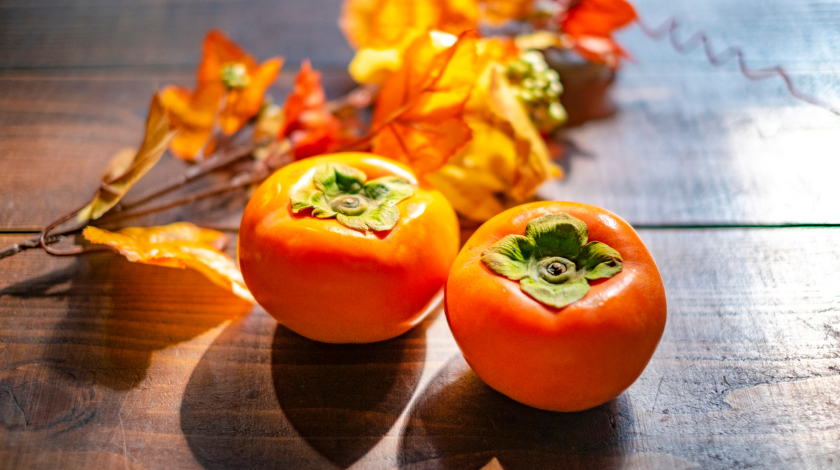
persimmon persimmon

If you walk into a grocery store anytime between October and January, you will likely see a bin full of bright, orange fruits that look suspiciously like tomatoes. They are glossy, beautiful, and vibrant, but for many people, they are a total mystery. I remember the very first time I tried a persimmon. I was about ten years old, and I saw one sitting on my grandmother’s kitchen counter. It looked like a firm, orange apple, so I took a massive bite out of it.

Immediately, I regretted everything. My mouth felt like I had just chewed on a cotton ball soaked in chalk. It was dry, fuzzy, and incredibly bitter. I spit it out and vowed never to eat one again. It wasn’t until years later that I learned I had made a rookie mistake. I had tried to eat an unripe Hachiya persimmon like an apple. If you have ever had this experience, please do not let it scare you away forever. When you eat the right persimmon at the right time, it is genuinely one of the most delicious things nature has to offer. It tastes like honey, brown sugar, and mild apricot all wrapped into one.

In this guide, I want to walk you through everything you need to know about this fruit. I will help you avoid the mistake I made, teach you how to pick the perfect one, and explain why we call it the “Food of the Gods.”

What Exactly is a Persimmon?

The scientific name for the persimmon is Diospyros, which comes from ancient Greek and roughly translates to “divine fruit” or “wheat of Zeus.” That is a pretty high bar to set for a piece of fruit, but a perfectly ripe persimmon lives up to the hype. While there are species native to North America, the ones you see in the supermarket are almost always Asian persimmons, which originated in China and were later cultivated in Japan and Korea.

They are essentially large berries that grow on beautiful trees. In the late autumn, after the leaves have turned yellow and fallen off the tree, the heavy orange fruit remains hanging on the bare branches. It looks like festive lanterns decorating the winter landscape. This is why they are such a staple of winter holidays in many cultures.

The flavor profile is unique. It is not acidic like an orange or tart like a granny smith apple. It is sweet, mellow, and rich. The texture can range from a crisp apple crunch to a soft, spoonable custard, depending entirely on the variety you buy and how long you let it sit on your counter. This brings us to the most critical part of this article. You have to know which type you are buying.

The Great Debate: Fuyu vs. Hachiya

This is where most people get confused. If you take nothing else away from this article, please remember this section. There are two main types of persimmons sold commercially, and they are completely different in how you handle them.

First, we have the Fuyu. This is the user-friendly persimmon. It is short, squat, and shaped almost exactly like a beefsteak tomato. The bottom is flat, so it can stand up on its own. The Fuyu is a “non-astringent” variety. This means you can eat it while it is still hard and firm. You can slice it up just like an apple and put it in your kid’s lunchbox. The skin is edible, though some people prefer to peel it because it can be a little tough. The flavor of a crisp Fuyu is sweet and mild, with a satisfying crunch. It is perfect for salads or just snacking on the go.

Second, we have the Hachiya. This is the tricky one. The Hachiya is shaped like an acorn or a heart. It is longer and pointier at the bottom. This is an “astringent” variety. It contains high levels of soluble tannins, which is the same chemical compound found in red wine or tea that makes your mouth feel dry. If you eat a Hachiya before it is fully ripe, those tannins will bind to the proteins in your saliva and dry your tongue out instantly. It is a very unpleasant sensation.

To enjoy a Hachiya, you must practice extreme patience. You have to wait until the fruit feels like a water balloon that is about to burst. It should be incredibly soft and squishy. When it reaches this stage, the tannins break down, and the flesh turns into a sweet, jelly-like pudding. You literally slice off the top and eat the inside with a spoon. It tastes like floral honey and is absolutely incredible.

Nutritional Powerhouse: Why Eat Them?

Beyond the delicious taste, I try to include persimmons in my diet during the winter because they are packed with nutrients that help keep us healthy during the flu season.

One of the biggest benefits is Vitamin A. Just one persimmon contains more than half of the recommended daily intake of Vitamin A. This is crucial for maintaining healthy vision and a strong immune system. The bright orange color of the skin is a dead giveaway that the fruit is loaded with beta-carotene, which is an antioxidant that helps reduce inflammation in the body.

They are also a fantastic source of fiber. We all know that fiber is important for digestion, but it also helps keep you feeling full longer. If you are looking for a healthy snack that will curb your sugar cravings without spiking your blood sugar too aggressively, a Fuyu persimmon is a great choice. They also contain decent amounts of Vitamin C, Vitamin E, and Vitamin B6.

However, I should mention a small warning here. There is something called a “bezoar,” which is a hard mass that can form in the stomach. While very rare, eating massive amounts of unripe persimmons can contribute to this because of the way the tannins react with stomach acid. But don’t worry too much. As long as you are eating ripe fruit and not consuming twenty of them in one sitting, you will be perfectly fine.

How to Select and Ripen Them

When you are at the store, look for fruit that has smooth, glossy skin without any major bruises or cuts. A little bit of black streaking on the skin is usually fine and doesn’t affect the flavor.

If you buy Fuyus (the tomato-shaped ones), look for ones that are firm but have a deep orange color. If they are yellow, they aren’t quite ready. You want that deep sunset orange.

If you buy Hachiyas (the acorn-shaped ones), they are almost always sold while they are still hard. The grocery store can’t really sell them when they are soft because they would get smashed in the bin. So, you will buy them hard and ripen them at home.

Here is a trick I use every year. If you leave a Hachiya on the counter, it might take two or three weeks to soften. If you want to speed that up, put the persimmons in a paper bag with a banana or an apple. Bananas and apples release ethylene gas, which is a natural plant hormone that triggers ripening. Roll the bag shut and check it every day. This can cut the waiting time in half.

Kitchen Adventures: How to Eat and Cook Persimmons

I personally think the best way to eat a Fuyu is raw. I slice them horizontally to reveal the beautiful star pattern inside the center of the fruit. My favorite autumn salad consists of mixed greens, sliced Fuyu persimmons, pomegranate seeds, goat cheese, and toasted walnuts with a balsamic vinaigrette. The sweetness of the persimmon cuts through the tanginess of the goat cheese perfectly.

For the soft Hachiyas, they are essentially nature’s jam. I like to stir the gooey pulp into my morning oatmeal or yogurt. It adds a natural sweetness so I don’t need to add sugar or maple syrup.

If you enjoy baking, persimmons are wonderful in quick breads and muffins. The pulp keeps the baked goods incredibly moist, similar to how bananas work in banana bread but with a more spiced, wintery flavor. You can mix the pulp with cinnamon, nutmeg, and cloves for a smell that screams “holidays.”

There is also a fascinating traditional Japanese method of preserving persimmons called Hoshigaki. This involves peeling the Hachiya persimmons while they are still firm, tying them by their stems to a string, and hanging them to dry. Every few days, you gently massage the drying fruit. This massage breaks down the internal fibers and brings the sugars to the surface. After a few weeks, you end up with a dried fruit that looks like it is covered in powdered sugar (which is actually the fruit’s natural glucose) and has a chewy texture like a high-end gummy candy. It takes a lot of work, but it is a special delicacy.

Growing Your Own

If you are lucky enough to have a yard and live in a moderate climate (zones 7 through 10), I highly recommend planting a persimmon tree. They are low-maintenance compared to other fruit trees like peaches or cherries because they don’t have as many pest problems.

The tree itself is ornamental. In the summer, it provides nice shade with big, glossy green leaves. In the fall, the leaves turn brilliant shades of red and gold. And in the winter, having those bright orange fruits hanging on the tree when everything else is grey and dead brings a lot of joy to a garden. Just be aware that if you don’t pick them, the birds and squirrels will definitely help themselves!

Conclusion

Persimmons are truly the unsung heroes of the fruit world. They arrive just when the summer berries are gone and we are starting to get bored of apples and bananas. They offer a burst of sunshine in the middle of winter.

Whether you prefer the crisp, easy-to-eat Fuyu or the patient, jelly-like reward of a Hachiya, there is a persimmon out there for you. Next time you see that bin of orange fruit at the grocery store, don’t walk past it. Grab a few, take them home, and enjoy one of the most unique flavors nature has created. Just remember: if it is pointy, wait until it is soft. If it is flat, eat it whenever. Follow that rule, and you will fall in love with persimmons just like I did.

Frequently Asked Questions (FAQ)

1. Can you eat the skin of a persimmon?
Yes, you can eat the skin. The skin of the Fuyu persimmon is very similar to apple skin, though slightly thicker. It is perfectly safe and contains fiber. However, the skin of the Hachiya persimmon can be a bit tough and bitter, so most people scoop out the flesh and discard the skin for that variety.

2. How do I know if a persimmon is ripe?
For Fuyu persimmons, they are ripe when they are orange and can be eaten while firm. For Hachiya persimmons, they are only ripe when they feel incredibly soft, almost like a water balloon. If a Hachiya is hard, it is not ripe.

3. Why does my mouth feel dry after eating a persimmon?
This happens if you eat an astringent persimmon (like a Hachiya) before it is fully ripe. The tannins in the fruit react with the proteins in your mouth to create that fuzzy, dry sensation. Drink some water or milk, and the feeling will pass.

4. Can dogs eat persimmons?
Yes, dogs can eat the flesh of the persimmon in moderation. It is a sweet treat for them. However, you must remove the seeds. Persimmon seeds can cause blockages in a dog’s digestive tract and can also cause intestinal inflammation.

5. How do I store persimmons?
If they are unripe, store them at room temperature on the counter. Once they are fully ripe, you should store them in the refrigerator to stop them from going bad. Ripe Hachiyas should be eaten within a few days.