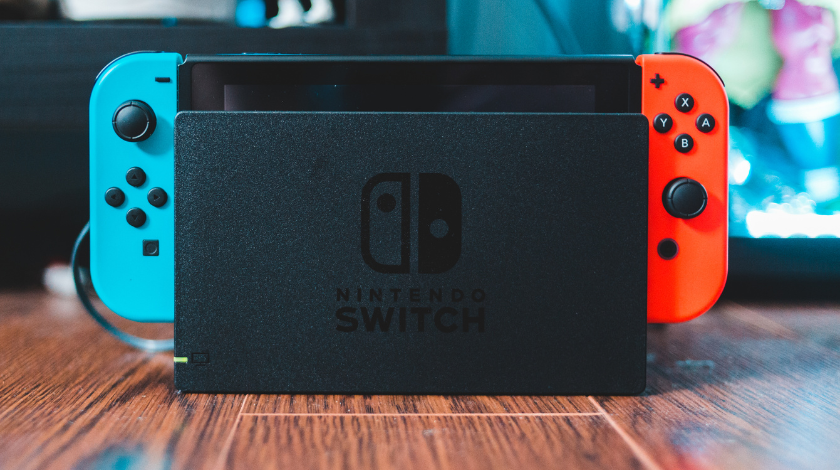
There is a specific kind of feeling that every Nintendo Switch owner knows all too well. You sit down after a long day of work, you grab your Pro Controller, you hit the home button to wake the console, and you are ready to dive back into the Kingdom of Hyrule or finish that last race in Mario Kart. But then, it happens. A little white box pops up on the screen: “A system update is available.” Most of us just click “Update” and wait the thirty seconds for the console to reboot, but have you ever stopped to wonder what is actually happening behind those progress bars? The firmware of the Nintendo Switch is the unsung hero of the experience, acting as the brain that coordinates every button press, every pixel on the screen, and every online connection.
To put it in the simplest terms possible, the firmware is the operating system of your console. If the Switch were a human, the hardware (the screen, the chips, the battery) would be the body, and the firmware would be the mind. It tells the hardware how to behave. Without it, your Switch would just be a very expensive, very pretty paperweight. Over the years, I have seen this “mind” grow and evolve. When the Switch first launched in 2017, the firmware was incredibly bare-bones. It was fast, sure, but it lacked basic features we take for granted today. Watching it mature has been a fascinating journey for tech enthusiasts and casual gamers alike.
One of the most common questions I get from friends who aren’t “techy” is how to actually make sure their console is running the best version of the software. Most of the time, the Switch handles this itself. If you are connected to Wi-Fi, it will usually download the update in the background. However, if you are like me and occasionally travel with your Switch or keep it in airplane mode to save battery, you might fall behind. To check manually, you just head into the System Settings, scroll all the way down to “System,” and select “System Update.” It is a quick process, but it is vital for security and performance. Interestingly, many people forget that their Joy-Cons have their own firmware too. In the same settings menu, you can actually update your controllers. I’ve found that doing this can sometimes help with minor connectivity issues or that annoying “phantom” button press feeling.
Now, we have to address the elephant in the room: the infamous “System Stability” updates. If you follow Nintendo news, you have probably seen the jokes. Nintendo will release an update, and the patch notes will simply say: “General system stability improvements to enhance the user’s experience.” This has become a running gag in the community because it feels so vague. However, there is a lot going on under the hood when Nintendo says this. Usually, “stability” is a polite way of saying they have patched a hole that hackers were using to run unauthorized software. It is a constant game of cat and mouse. Nintendo wants to keep their ecosystem closed and secure to prevent piracy, and the firmware is their primary shield. As a user, these updates might not give you a cool new feature, but they ensure that your console remains compatible with the latest games and online services.
That is not to say we haven’t received major features through firmware updates. For years, the community begged for the ability to use Bluetooth headphones directly with the Switch without a bulky adapter. For a long time, it felt like Nintendo was never going to do it. Then, out of nowhere, a firmware update dropped that unlocked the Bluetooth chip’s ability to stream audio. It wasn’t a hardware limitation; it was a software one. I remember the day that update hit; it completely changed how I played the Switch on the bus. Later, they added “Groups,” which is Nintendo’s fancy word for folders. While it isn’t the perfect UI solution we were all dreaming of, it finally allowed those of us with massive digital libraries to organize our games by genre or series. These are the moments when firmware updates feel like a gift rather than a chore.
However, the world of Nintendo Switch firmware isn’t always sunshine and rainbows. There is a darker side to it, often referred to as Custom Firmware or CFW. This is where users “jailbreak” their consoles to run homebrew applications, emulators, or custom themes. Programs like Atmosphere are incredibly popular in the modding scene. I’ll be honest: the things people can do with CFW are impressive. They can overclock the hardware to make games run smoother or back up their save files to a private server. But it comes with a massive risk. Nintendo is notoriously strict about this. If you go online with a modified firmware, you are almost guaranteed to get hit with the “Ban Hammer.” This means your console will be permanently blocked from the eShop and online play. For most people, the risk of losing their digital library and the ability to play with friends simply isn’t worth the reward of a custom background.
If you ever run into a situation where a firmware update goes wrong—maybe your internet cut out or the power died during the process—don’t panic. The Switch actually has a hidden “Recovery Mode” that can be a lifesaver. By holding down both volume buttons while pressing the power button from a completely off state, you can enter a menu that allows you to initialize the console or update the system without deleting your save data. It is one of those “in case of emergency” features that shows Nintendo’s engineers really thought about the longevity of the hardware. I once had a friend whose Switch got stuck in a boot loop after a failed update, and this menu was the only thing that saved his 300-hour Breath of the Wild save file.
Looking toward the future, the conversation around firmware is starting to shift toward the rumored “Switch 2.” Everyone is wondering if the current firmware architecture will carry over to the next generation. Will our digital libraries be seamless? Will the UI finally get a complete overhaul with themes and music like the 3DS had? Only time will tell. For now, the current Nintendo Switch firmware remains a lean, efficient, and mostly reliable system. It does its job quietly in the background, allowing the games to take center stage.
In summary, while it might just seem like a loading bar that gets in the way of your fun, the firmware is what makes the Nintendo Switch the versatile machine we love. From providing the security needed for online play to occasionally surprising us with a much-needed feature like Bluetooth support, it is the invisible glue holding the whole experience together. So, the next time you see that “Update Required” message, don’t roll your eyes too hard. Just think of it as a little tune-up for your console’s brain, keeping it healthy and ready for your next adventure.
Conclusion
The Nintendo Switch firmware is much more than just a version number. It represents the ongoing support and security of one of the most successful gaming consoles in history. Whether you are a casual player who just wants things to work or a power user interested in the technical nuances of “system stability,” understanding how the OS functions is key to getting the most out of your device. Keep your system updated, handle your Joy-Cons with care, and always be cautious of the risks associated with third-party modifications.
FAQ (Frequently Asked Questions)
1. Is it safe to update my Nintendo Switch?
Yes, it is highly recommended to stay on the latest official firmware. These updates provide security patches and ensure compatibility with the newest games and the Nintendo eShop.
2. Can I revert to an older firmware version?
Officially, no. Nintendo does not provide a way to “downgrade” the system software once it has been updated. This is a security measure to prevent users from exploiting older, patched vulnerabilities.
3. Why do my Joy-Cons need separate updates?
The Joy-Cons are complex wireless devices with their own internal sensors and chips. Firmware updates for the controllers can improve connection stability, fix motion control drift issues, and improve battery efficiency.
4. What happens if my Switch bricks during an update?
If your console becomes unresponsive, you can try entering Recovery Mode (holding Volume Up + Volume Down + Power). If that fails, you may need to contact Nintendo Support for a repair, especially if the console is still under warranty.
5. Will custom firmware allow me to play my games for free?
While some people use CFW for piracy, it is illegal and goes against Nintendo’s Terms of Service. Doing so will result in a permanent ban from all online services and could potentially ruin your hardware.