
Have you ever stumbled across a word that looks like a typo but turns out to be a real, hidden piece of history? That is exactly what happens when people look up the curtesy meaning. At first glance, you might think someone just misspelled the word we use for being polite. But in the world of legal history, curtesy is a completely different animal. It is an old property rule that used to change how families passed down their land and homes.
Understanding this word helps us see how laws have changed over hundreds of years to become fairer for everyone. Today, we are going to break down this unique concept in the simplest way possible. We will look at its history, see how it compares to regular manners, and even explore how people translate it into other languages like Tamil. Let’s dive into this fascinating topic together!
What is the Real Curtesy Meaning in History?
To truly grasp the curtesy meaning, we have to take a giant step back in time. Hundreds of years ago, the legal system looked very different than it does today. Curtesy was a special legal right created under English common law. It gave a widowed husband a temporary right to look after and use his late wife’s land. However, this rule did not last forever. It only stayed in place for the rest of the husband’s natural life.
This law was built on old ideas about family wealth and property ownership. Back then, women faced many restrictions regarding owning land by themselves. Curtesy was the system’s way of managing a family’s estate after a wife passed away. It kept the property moving through the family line while ensuring the husband had a place to live and land to farm.
The Core Conditions of this Ancient Property Law
The old legal curtesy meaning did not just apply automatically to every marriage. The law had very strict rules that a husband had to meet before he could claim this right. First, the marriage had to be completely legal and recognized by the state. Second, the wife actually had to own the land during the marriage, rather than just renting it or holding it in a trust.
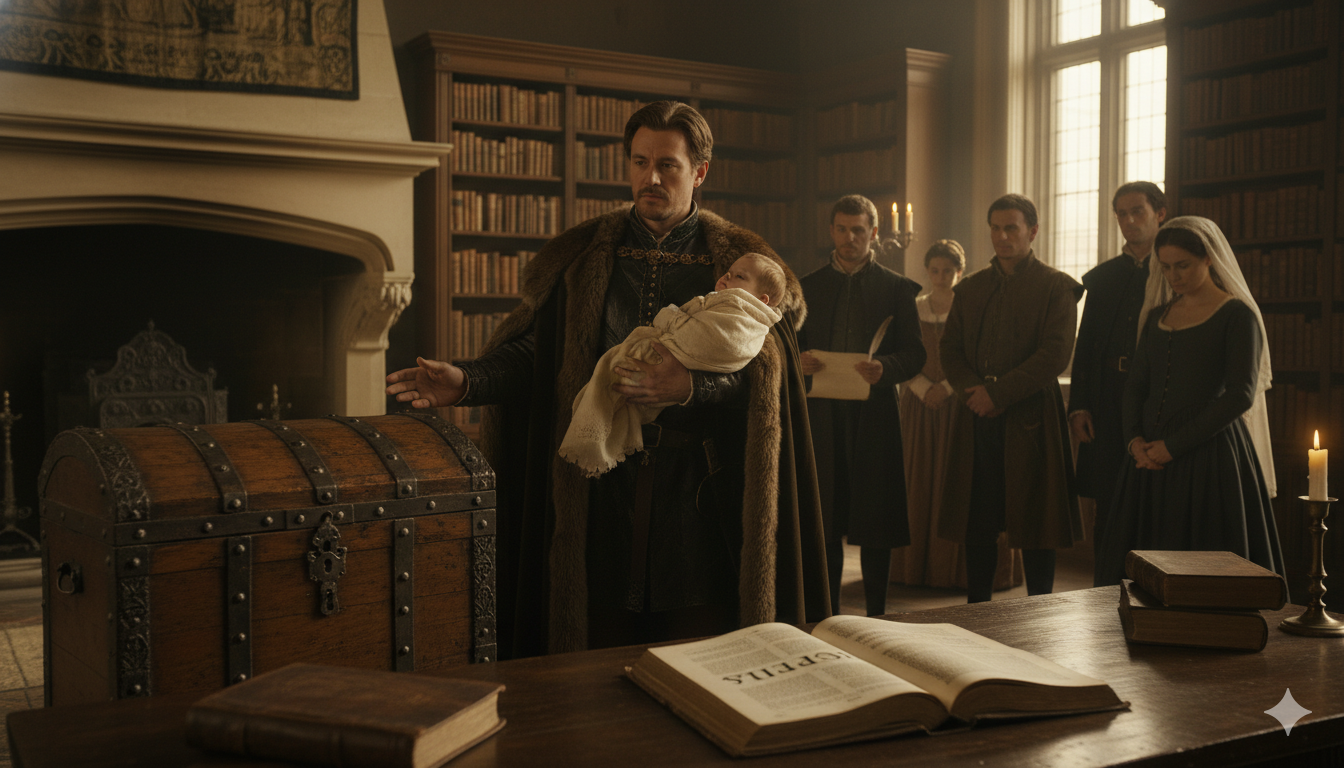
The third rule is perhaps the most interesting part of the entire law. The couple must have had a child together who was capable of inheriting the land. This meant the baby had to be born alive during the marriage. Even if the child unfortunately passed away soon after birth, the mere fact that a living heir was born triggered the husband’s curtesy rights. Without a living child, the land would often go straight back to the wife’s birth family instead.
Courtesy or Curtesy Meaning: What is the Big Difference?
It is incredibly easy to mix up courtesy or curtesy meaning because the two words sound exactly the same when you say them out loud. However, changing just one single letter completely flips the definition. The word spelled with an “o” is the one you use every single day. It represents good manners, politeness, and showing respect to the people around you.
On the flip side, the version without the “o” is strictly a legal term from the history books. You will never hear a lawyer use it to describe someone being nice. Instead, they use it to describe a specific type of property interest. Think of it this way: one lives in your everyday social life, while the other lives inside dusty old law archives from centuries ago.
Exploring the Common Curtesy Meaning in Daily Life
When most people speak to each other, they are usually looking for the common curtesy meaning instead of old property rules. In daily life, this translates to basic human kindness and social etiquette. It means holding the door open for a stranger who has their hands full. It means saying “please” and “thank you” when someone helps you out at the grocery store.
[Common Courtesy] —> Being polite, respectful, and showing good manners daily.
[Legal Curtesy] —> An ancient law giving a widower rights to his late wife’s land.
These small acts form the glue that keeps our communities running smoothly and peacefully. While the legal version of the word has mostly faded into the past, this social version remains incredibly important. It is a shared agreement that we will treat each other with fairness, patience, and basic human dignity every day.
Looking at Curtesy Meaning in Tamil and Other Languages
Language is a beautiful tool, but translating old Western legal terms can be quite a tricky puzzle. If you look up the curtesy meaning in tamil, you will find that there is no single direct word for it. This happens because ancient Tamil culture and law had their own unique systems for managing family land and inheritance. They did not use the exact same rules that feudal England created.
To explain this concept in Tamil, translators usually have to use a short phrase rather than a individual word. They might describe it as a husband’s right to his deceased wife’s property (மனைவியின் சொத்துரிமை). This helps people who speak different languages understand the historical concept without getting confused by the language barrier. It shows how legal ideas are deeply tied to the specific culture that invented them.
Why Did Ancient Governments Create the Curtesy Law?
To understand why this law existed, we have to look at how society used to view money and survival. In the old days, land was the main source of wealth and food for a family. If a wife passed away and left behind a husband and young children, the family could face instant ruin if the land was suddenly taken away from them.
The government created this rule to act as a safety net for the surviving family unit. It ensured the father could keep farming the land to grow food and earn money to raise the children. It was a way to keep local communities stable and prevent families from falling into sudden poverty during a time of grief.
How the Law Treated Husbands Versus Wives
The old legal system was definitely not equal when it came to men and women. While the curtesy meaning applied strictly to husbands, wives had a completely different rule called “dower.” A dower right gave a widowed wife a portion of her late husband’s land to support her. However, the rules for dower and curtesy were not mirror images of each other.
For example, a husband could often claim the right to use all of his wife’s land under curtesy rules. A wife, however, usually only received a one-third share of her husband’s land under dower rules. This huge gap shows how much more power and legal privilege men held in the historical legal system compared to their wives.
The Decline and Disappearance of Curtesy Rules
As the world moved into the modern era, people began to realize that these ancient property laws were outdated and unfair. During the 1800s and 1900s, governments began passing new laws to protect the property rights of married women. These new rules allowed women to own, buy, and sell land completely on their own without needing a husband’s permission.
With these massive upgrades to human rights, the old curtesy meaning slowly lost its place in the legal world. Modern lawmakers eventually wiped these old rules off the books entirely. Today, when a spouse passes away, modern inheritance laws step in to distribute the property fairly to the surviving partner and children, regardless of their gender.
Is Curtesy Still Used Anywhere in Modern Law?
For all practical purposes, this ancient property law is completely dead in almost every part of the world today. You will not find modern real estate agents or family lawyers dealing with it during their normal workday. It has been replaced by clean, clear, and equal inheritance statutes that protect both husbands and wives in the exact same way.
The only place you might still see it mentioned is in very old property deeds or during complex historical court cases involving land that has been held by the same family for centuries. For the rest of us, it remains a purely historical curiosity that shows us how far our legal systems have traveled over time.
Famous Historical Figures and Property Disputes
Throughout history, family land has always been a major source of drama and legal battles. Wealthy lords and noble families frequently argued in court over who had the rightful claim to vast estates. The rules of curtesy often sat right at the center of these intense family feuds.
If a wealthy noblewoman passed away, her birth family might fight her husband in court, claiming that their child was not born alive, which would mean the husband had no right to keep the land. These dramatic historical cases helped shape our modern legal definitions of life, birth, and property rights that we still use today.
Summary Table: Curtesy vs. Courtesy
To help keep everything completely straight in your mind, let us look at a quick visual comparison of these two terms. It is the easiest way to make sure you never mix them up again.
| Feature | Curtesy (No “o”) | Courtesy (With “o”) |
| Main Meaning | Old legal right to a wife’s land | Good manners and polite behavior |
| Where to Use It | History books and old law files | Everyday conversations and school |
| Current Status | Wiped out and replaced by modern laws | Essential for daily life and friendships |
| Example | The widower claimed his rights under the law. | She showed great manners by saying thank you. |
Conclusion
Learning the true curtesy meaning is like finding a tiny window into the past. It shows us a world where laws were complex, unequal, and deeply tied to the land beneath people’s feet. It reminds us to appreciate our modern legal system, which treats husbands and wives with equal fairness and respect.
At the same time, it teaches us to appreciate the power of spelling! A single letter can change a word from an ancient courtroom rule into a beautiful daily act of human kindness. So, the next time you see this word, you can smile knowing the deep history behind it. What do you think about these old laws? Share this article with a friend to see if they know the difference too!
(FAQs)
What is the simplest definition of curtesy?
The curtesy meaning refers to an old English common law rule. It gave a widowed husband the legal right to use and profit from his late wife’s land for the rest of his life, provided they had a living child together.
How do you pronounce curtesy?
It is pronounced exactly like the word “courtesy” (ker-tuh-see). Even though they are spelled differently and have completely separate meanings, they sound identical when spoken aloud.
What is the Tamil meaning of curtesy?
There is no direct single word for the legal term in Tamil. It is usually translated as a descriptive phrase, such as மனைவியின் சொத்துரிமை, which explains a husband’s right to his deceased wife’s property.
Why did a child have to be born alive for curtesy to apply?
The law required a living child because the rule was designed to protect the family line. The birth of a living heir proved the land would eventually stay within the family, granting the father the right to manage it in the meantime.
Does curtesy exist in modern American law today?
No, it has been abolished in virtually every state. Modern family and property laws have replaced it with equal inheritance rules that apply to both spouses without any gender discrimination.
What is the difference between curtesy and dower?
Curtesy was the property right granted to a surviving husband over his late wife’s land. Dower was the property right granted to a surviving wife over her late husband’s land.