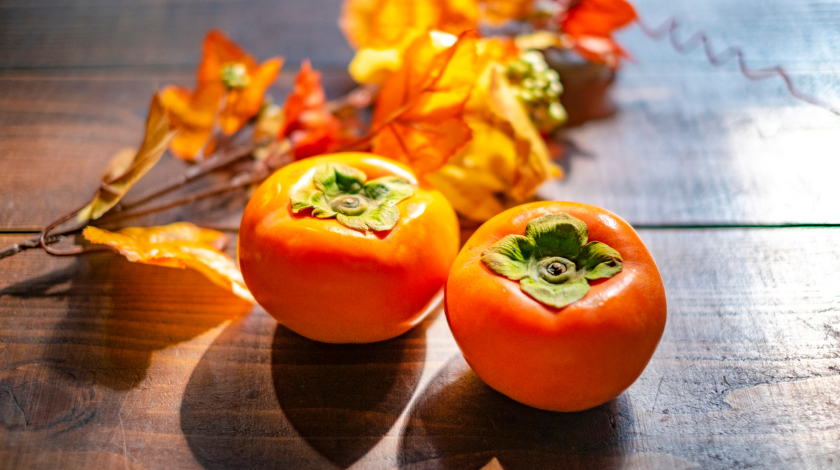

If you walk into a grocery store anytime between October and January, you will likely see a bin full of bright, orange fruits that look suspiciously like tomatoes. They are glossy, beautiful, and vibrant, but for many people, they are a total mystery. I remember the very first time I tried a persimmon. I was about ten years old, and I saw one sitting on my grandmother’s kitchen counter. It looked like a firm, orange apple, so I took a massive bite out of it.
Immediately, I regretted everything. My mouth felt like I had just chewed on a cotton ball soaked in chalk. It was dry, fuzzy, and incredibly bitter. I spit it out and vowed never to eat one again. It wasn’t until years later that I learned I had made a rookie mistake. I had tried to eat an unripe Hachiya persimmon like an apple. If you have ever had this experience, please do not let it scare you away forever. When you eat the right persimmon at the right time, it is genuinely one of the most delicious things nature has to offer. It tastes like honey, brown sugar, and mild apricot all wrapped into one.
In this guide, I want to walk you through everything you need to know about this fruit. I will help you avoid the mistake I made, teach you how to pick the perfect one, and explain why we call it the “Food of the Gods.”
What Exactly is a Persimmon?
The scientific name for the persimmon is Diospyros, which comes from ancient Greek and roughly translates to “divine fruit” or “wheat of Zeus.” That is a pretty high bar to set for a piece of fruit, but a perfectly ripe persimmon lives up to the hype. While there are species native to North America, the ones you see in the supermarket are almost always Asian persimmons, which originated in China and were later cultivated in Japan and Korea.
They are essentially large berries that grow on beautiful trees. In the late autumn, after the leaves have turned yellow and fallen off the tree, the heavy orange fruit remains hanging on the bare branches. It looks like festive lanterns decorating the winter landscape. This is why they are such a staple of winter holidays in many cultures.
The flavor profile is unique. It is not acidic like an orange or tart like a granny smith apple. It is sweet, mellow, and rich. The texture can range from a crisp apple crunch to a soft, spoonable custard, depending entirely on the variety you buy and how long you let it sit on your counter. This brings us to the most critical part of this article. You have to know which type you are buying.
The Great Debate: Fuyu vs. Hachiya
This is where most people get confused. If you take nothing else away from this article, please remember this section. There are two main types of persimmons sold commercially, and they are completely different in how you handle them.
First, we have the Fuyu. This is the user-friendly persimmon. It is short, squat, and shaped almost exactly like a beefsteak tomato. The bottom is flat, so it can stand up on its own. The Fuyu is a “non-astringent” variety. This means you can eat it while it is still hard and firm. You can slice it up just like an apple and put it in your kid’s lunchbox. The skin is edible, though some people prefer to peel it because it can be a little tough. The flavor of a crisp Fuyu is sweet and mild, with a satisfying crunch. It is perfect for salads or just snacking on the go.
Second, we have the Hachiya. This is the tricky one. The Hachiya is shaped like an acorn or a heart. It is longer and pointier at the bottom. This is an “astringent” variety. It contains high levels of soluble tannins, which is the same chemical compound found in red wine or tea that makes your mouth feel dry. If you eat a Hachiya before it is fully ripe, those tannins will bind to the proteins in your saliva and dry your tongue out instantly. It is a very unpleasant sensation.
To enjoy a Hachiya, you must practice extreme patience. You have to wait until the fruit feels like a water balloon that is about to burst. It should be incredibly soft and squishy. When it reaches this stage, the tannins break down, and the flesh turns into a sweet, jelly-like pudding. You literally slice off the top and eat the inside with a spoon. It tastes like floral honey and is absolutely incredible.
Nutritional Powerhouse: Why Eat Them?
Beyond the delicious taste, I try to include persimmons in my diet during the winter because they are packed with nutrients that help keep us healthy during the flu season.
One of the biggest benefits is Vitamin A. Just one persimmon contains more than half of the recommended daily intake of Vitamin A. This is crucial for maintaining healthy vision and a strong immune system. The bright orange color of the skin is a dead giveaway that the fruit is loaded with beta-carotene, which is an antioxidant that helps reduce inflammation in the body.
They are also a fantastic source of fiber. We all know that fiber is important for digestion, but it also helps keep you feeling full longer. If you are looking for a healthy snack that will curb your sugar cravings without spiking your blood sugar too aggressively, a Fuyu persimmon is a great choice. They also contain decent amounts of Vitamin C, Vitamin E, and Vitamin B6.
However, I should mention a small warning here. There is something called a “bezoar,” which is a hard mass that can form in the stomach. While very rare, eating massive amounts of unripe persimmons can contribute to this because of the way the tannins react with stomach acid. But don’t worry too much. As long as you are eating ripe fruit and not consuming twenty of them in one sitting, you will be perfectly fine.
How to Select and Ripen Them
When you are at the store, look for fruit that has smooth, glossy skin without any major bruises or cuts. A little bit of black streaking on the skin is usually fine and doesn’t affect the flavor.
If you buy Fuyus (the tomato-shaped ones), look for ones that are firm but have a deep orange color. If they are yellow, they aren’t quite ready. You want that deep sunset orange.
If you buy Hachiyas (the acorn-shaped ones), they are almost always sold while they are still hard. The grocery store can’t really sell them when they are soft because they would get smashed in the bin. So, you will buy them hard and ripen them at home.
Here is a trick I use every year. If you leave a Hachiya on the counter, it might take two or three weeks to soften. If you want to speed that up, put the persimmons in a paper bag with a banana or an apple. Bananas and apples release ethylene gas, which is a natural plant hormone that triggers ripening. Roll the bag shut and check it every day. This can cut the waiting time in half.
Kitchen Adventures: How to Eat and Cook Persimmons
I personally think the best way to eat a Fuyu is raw. I slice them horizontally to reveal the beautiful star pattern inside the center of the fruit. My favorite autumn salad consists of mixed greens, sliced Fuyu persimmons, pomegranate seeds, goat cheese, and toasted walnuts with a balsamic vinaigrette. The sweetness of the persimmon cuts through the tanginess of the goat cheese perfectly.
For the soft Hachiyas, they are essentially nature’s jam. I like to stir the gooey pulp into my morning oatmeal or yogurt. It adds a natural sweetness so I don’t need to add sugar or maple syrup.
If you enjoy baking, persimmons are wonderful in quick breads and muffins. The pulp keeps the baked goods incredibly moist, similar to how bananas work in banana bread but with a more spiced, wintery flavor. You can mix the pulp with cinnamon, nutmeg, and cloves for a smell that screams “holidays.”
There is also a fascinating traditional Japanese method of preserving persimmons called Hoshigaki. This involves peeling the Hachiya persimmons while they are still firm, tying them by their stems to a string, and hanging them to dry. Every few days, you gently massage the drying fruit. This massage breaks down the internal fibers and brings the sugars to the surface. After a few weeks, you end up with a dried fruit that looks like it is covered in powdered sugar (which is actually the fruit’s natural glucose) and has a chewy texture like a high-end gummy candy. It takes a lot of work, but it is a special delicacy.
Growing Your Own
If you are lucky enough to have a yard and live in a moderate climate (zones 7 through 10), I highly recommend planting a persimmon tree. They are low-maintenance compared to other fruit trees like peaches or cherries because they don’t have as many pest problems.
The tree itself is ornamental. In the summer, it provides nice shade with big, glossy green leaves. In the fall, the leaves turn brilliant shades of red and gold. And in the winter, having those bright orange fruits hanging on the tree when everything else is grey and dead brings a lot of joy to a garden. Just be aware that if you don’t pick them, the birds and squirrels will definitely help themselves!
Conclusion
Persimmons are truly the unsung heroes of the fruit world. They arrive just when the summer berries are gone and we are starting to get bored of apples and bananas. They offer a burst of sunshine in the middle of winter.
Whether you prefer the crisp, easy-to-eat Fuyu or the patient, jelly-like reward of a Hachiya, there is a persimmon out there for you. Next time you see that bin of orange fruit at the grocery store, don’t walk past it. Grab a few, take them home, and enjoy one of the most unique flavors nature has created. Just remember: if it is pointy, wait until it is soft. If it is flat, eat it whenever. Follow that rule, and you will fall in love with persimmons just like I did.
Frequently Asked Questions (FAQ)
1. Can you eat the skin of a persimmon?
Yes, you can eat the skin. The skin of the Fuyu persimmon is very similar to apple skin, though slightly thicker. It is perfectly safe and contains fiber. However, the skin of the Hachiya persimmon can be a bit tough and bitter, so most people scoop out the flesh and discard the skin for that variety.
2. How do I know if a persimmon is ripe?
For Fuyu persimmons, they are ripe when they are orange and can be eaten while firm. For Hachiya persimmons, they are only ripe when they feel incredibly soft, almost like a water balloon. If a Hachiya is hard, it is not ripe.
3. Why does my mouth feel dry after eating a persimmon?
This happens if you eat an astringent persimmon (like a Hachiya) before it is fully ripe. The tannins in the fruit react with the proteins in your mouth to create that fuzzy, dry sensation. Drink some water or milk, and the feeling will pass.
4. Can dogs eat persimmons?
Yes, dogs can eat the flesh of the persimmon in moderation. It is a sweet treat for them. However, you must remove the seeds. Persimmon seeds can cause blockages in a dog’s digestive tract and can also cause intestinal inflammation.
5. How do I store persimmons?
If they are unripe, store them at room temperature on the counter. Once they are fully ripe, you should store them in the refrigerator to stop them from going bad. Ripe Hachiyas should be eaten within a few days.